Lucknow: In a significant academic reform, University of Lucknow has approved its PhD Ordinance 2026, introducing a comprehensive framework aimed at enhancing research quality, flexibility, and a student-centric academic ecosystem. The ordinance has been passed by both the Academic Council and the Executive Council.
The revised framework aligns doctoral education with global research standards while maintaining academic rigor and integrity. One of the key provisions allows fast-track researchers to submit their thesis up to six months earlier than the prescribed timeline, subject to approval by Vice-Chancellor Prof. J. P. Saini. However, the final viva voce will only be conducted after the mandatory minimum duration of three years.

For part-time scholars, structured academic engagement has been made compulsory. Researchers will be required to maintain a minimum of 120 days of institutional association during their research tenure, supported by an affidavit and supervisor certification to ensure consistent academic guidance.
The ordinance also introduces flexibility in academic progression. Full-time scholars who secure employment or face valid constraints can transition to part-time registration after completing coursework, with applicable fee adjustments. This provision is extended to existing scholars as well.
Encouraging dynamic research design, the university now permits scholars to begin with a provisional research area and refine their final topic until thesis submission. Importantly, the earlier requirement of seeking time extension for topic modification has been removed, reducing procedural delays.
A mandatory two-credit course on “Research and Publication Ethics” will now be delivered exclusively through MOOCs, strengthening ethical research practices. Additionally, Research Advisory Committee (RAC) meetings will be held twice a year—in January and July—streamlining monitoring processes.

In a major academic requirement, PhD scholars must publish two research papers in refereed or indexed journals before submitting their thesis. Notably, a patent filed through the university will be considered equivalent to one research publication, promoting innovation and intellectual property creation.
As part of modernization efforts, the university has made online thesis evaluation and soft copy submission mandatory, ensuring greater transparency, efficiency, and sustainability.
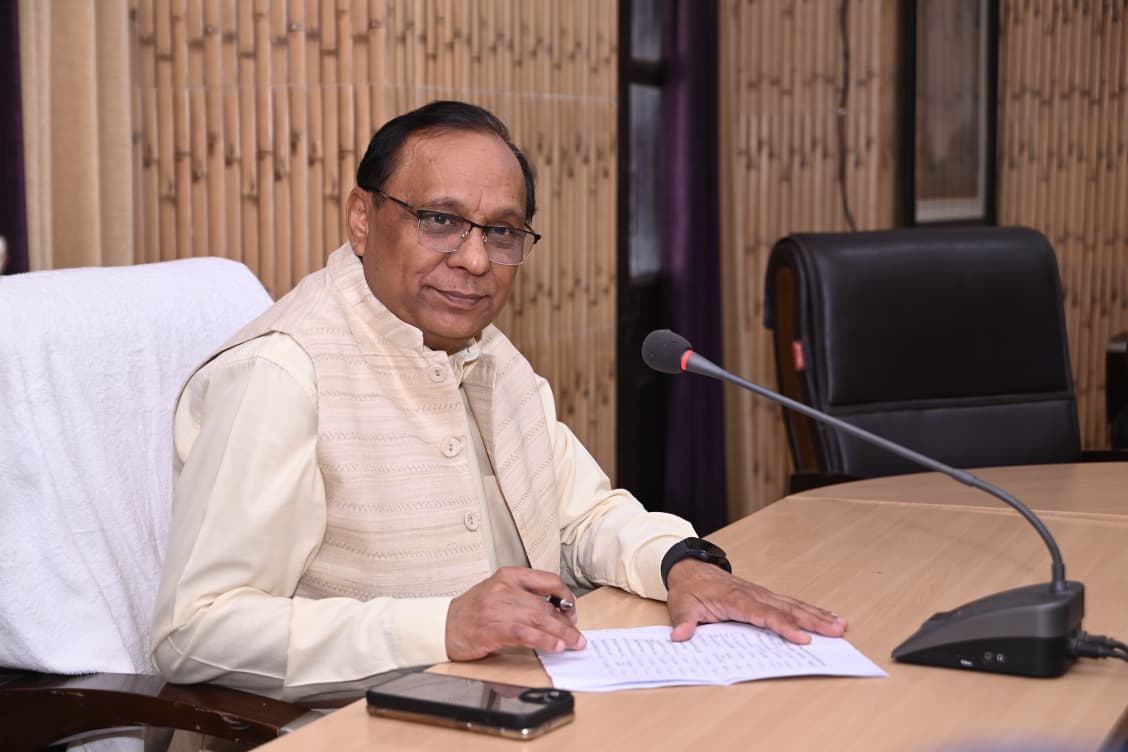
Speaking on the development, Prof. Saini said the ordinance reflects a balanced vision of flexibility and rigor, aimed at fostering innovation, interdisciplinary research, and timely completion of doctoral work in line with global academic standards.
The university described the revised ordinance as a forward-looking step toward strengthening doctoral education, promoting innovation, and building a robust research culture focused on quality and student development.